
How Can a Corporate Event Use a Team Building Treasure Hunt for Engagement?
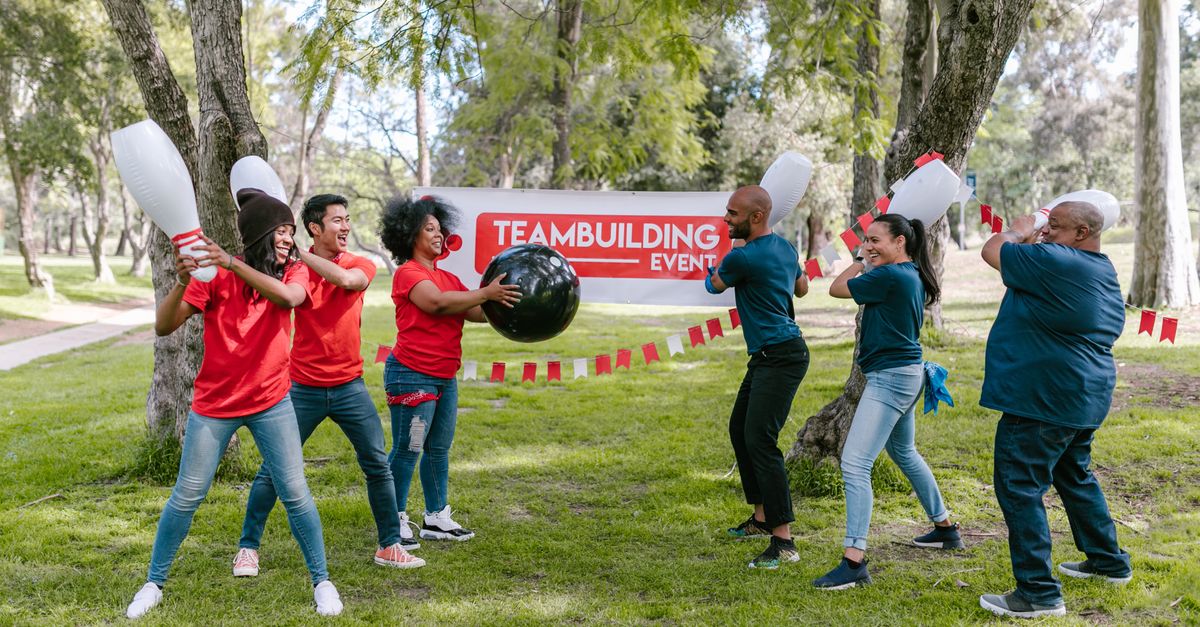
I’m often asked how to make a corporate event memorable without turning it into another PowerPoint marathon. The answer I keep coming back to is the team building treasure hunt. It’s a proven method that blends Corporate event games, problem‑solving, and real collaboration into one engaging activity. Below I break down the planning process, design tips, platform options, and how to measure success so you can implement a treasure hunt that actually delivers.
Why Use a Treasure Hunt in Corporate Events?
A treasure hunt forces teams to work together under time pressure while keeping morale high. It satisfies several core objectives of modern corporate events:
- Rapid engagement: Participants jump straight into action, avoiding the passive listening that often kills energy.
- Skill showcase: Communication, critical thinking, and creativity are all on display in a natural way.
- Data collection: By tracking clues solved or time taken, you can quantify teamwork effectiveness.
- Post‑event follow‑up: The shared experience becomes a reference point for future collaboration.
Planning the Treasure Hunt: From Concept to Execution
The first step is setting clear objectives. Ask yourself what you want each participant to take away—whether it’s better communication, a deeper understanding of company values, or simply a fun break from routine.
- Define goals: e.g., improve cross‑department collaboration or reinforce brand messaging.
- Set scope: decide on indoor vs outdoor, physical vs virtual clues.
- Create a timeline: start with brainstorming (week 1), design (weeks 2–3), testing (week 4), and launch (week 5).
- Allocate budget: materials, platform subscription, prizes, and contingency funds.
Budgeting Breakdown
Costs vary by scale. For a 50‑person onsite hunt with printed clues, you might spend $200–$400 on paper, envelopes, and small prizes. A digital platform can range from $500 for basic use to $2,000+ for custom integration.
Practical Budget Checklist
- Print & packaging: $100‑$150 (depending on volume)
- Digital platform license: $300‑$1,200
- Prize pool: $200‑$500 for team rewards
- Contingency buffer: 10 % of total budget
- Marketing & communication materials: $50‑$100
Designing Puzzles That Drive Teamwork
Puzzle design is where the hunt’s effectiveness hinges. Good puzzles are neither too easy nor impossibly hard; they should surface collaboration naturally.
- Clue types: riddles, logic grids, photo scavenger hunts, QR code challenges.
- Progressive difficulty: start simple to build confidence, then layer complexity.
- Embedded brand messages: incorporate company slogans or product facts into clues.
- Encourage cross‑functional roles: assign puzzle types that match team members’ strengths.
Step‑by‑Step Puzzle Design Process
When crafting each clue, follow a clear workflow:
- Define the learning goal. Identify which skill or insight you want participants to demonstrate.
- Create a narrative hook. A short story element keeps teams invested and provides context for the puzzle type.
- Select the clue format. Match the narrative to a suitable format (e.g., a riddle that references a product feature).
- Draft a solution path. Map out how participants will logically arrive at the answer, ensuring no single point of failure.
- Test with a small group. Observe timing, clarity, and engagement before finalizing.
Example Puzzle Flow
1. I once had a team decode an encoded message that revealed the next location’s coordinates. 2. Teams then solved a logic grid to identify which department had the hidden item. 3. The final clue was a QR code leading to a short video explaining the company mission.
A Sample Clue Template
Clue Title: “The Secret Shelf”
Type: Photo Scavenger Hunt
Description: Take a photo of the shelf that contains the phrase “Innovation in Action” and upload it to the event app.
Time Limit: 5 minutes
Reward: Earn 10 points + a hint for the next location.
Case Study: Launching a New Product Line
One year, a consumer‑tech company used a treasure hunt to introduce its latest smartwatch. The hunt began with a QR code at the lobby that directed teams to a series of product‑related riddles. Each correct answer unlocked a feature demo video. By integrating live data from the internal sales dashboard, participants could see how their discoveries correlated with real market metrics. The event not only boosted cross‑departmental knowledge but also generated a 25 % uptick in post‑event training sign‑ups for product specialists.
Choosing a Platform or Building Your Own
You can either use an existing treasure hunt platform or build a custom solution. Each route has pros and cons.
- Platform advantages: ready‑made templates, real‑time tracking, analytics dashboards.
- Custom build advantages: full control over branding, integration with internal systems, no recurring fees.
Key Features to Evaluate
When reviewing platforms, look for:
- Mobile compatibility (most employees will use smartphones).
- Offline functionality in case of connectivity loss.
- Scoring and leaderboard integration.
- Support for multimedia clues (audio, video).
Platform Comparison Snapshot
| Feature | Platform A | Platform B |
|---|---|---|
| Template Library | 100+ ready‑made | 50+ customizable |
| Offline Mode | Yes | No |
| Integration with HRIS | API available | Limited |
| Cost (annual) | $800 | $1,500 |
Security and Scalability Considerations
If you opt for a custom build or a premium platform, pay close attention to data protection. The hunt will collect timestamps, location data (if GPS is used), and answer submissions—information that may be sensitive in regulated industries. Verify that the solution complies with GDPR, HIPAA, or your internal security policies. Scalability is another factor; if you plan to run annual hunts across multiple regions, choose a platform that can handle high concurrent users without performance degradation.
Adapting the Hunt for Different Audiences
The same core mechanics can be tweaked to fit corporate teams, remote groups, or even a family adventure hunt at a company retreat.
- Corporate onsite: use office spaces and brand artifacts as clue locations.
- Remote teams: rely on virtual clues sent via email or a collaboration platform; incorporate live video check‑ins.
- Family adventure hunt: simplify puzzles, add playful themes, and include prizes for all ages.
Hybrid Model Example
I once ran a hybrid event where onsite participants solved physical puzzles while remote colleagues tackled digital clues that tied into the same storyline. The shared narrative kept everyone connected despite distance.
Tips for Hybrid Execution
- Synchronize clue release times across all channels.
- Use a common dashboard to display progress for every participant.
- Schedule short live debriefs after each major phase.
Common Mistakes and How to Avoid Them
A poorly executed hunt can backfire. Watch for these pitfalls:
- Over‑engineering puzzles: make them solvable in 5–10 minutes per clue.
- Ignoring accessibility: ensure clues are readable and not reliant on obscure knowledge.
- Failing to test: run a dry‑run with volunteers to catch timing issues.
- Lack of clear instructions: participants should know how to submit answers or claim prizes.
Accessibility Checklist
- Use large, high‑contrast fonts for printed clues.
- Provide audio versions of riddles for visually impaired teams.
- Avoid industry jargon unless it’s part of the puzzle.
- Offer alternative clue formats (e.g., pictorial) for language barriers.
Measuring Success: Metrics and Feedback
Quantitative data plus qualitative feedback gives you a full picture. Track:
- Average time per clue.
- Completion rate (teams that finish vs those that abandon).
- Engagement scores from post‑event surveys.
Sample Survey Question
"On a scale of 1–10, how did the treasure hunt improve your perception of teamwork within the company?"
Extended Metrics for Deeper Insight
- Number of collaborative submissions per team.
- Frequency of clue revisits (indicates difficulty level).
- Post‑event action items cited by participants (e.g., “We’ll share best practices”).
Turning Data into Action Plans
Once you have the numbers, create a concise report that highlights key findings and proposes next steps. For example, if a particular clue type consistently takes longer, consider simplifying it or providing additional hints. Share success stories in internal newsletters to reinforce positive behaviors. By looping back data to strategy sessions, you demonstrate ROI and build momentum for future events.
Key takeaway: Combine real‑time analytics with participant feedback to refine future hunts and justify ROI.Wrap Up
A team building treasure hunt is more than a fun diversion; it’s a structured way to reinforce corporate culture, sharpen skills, and generate measurable data. By planning objectives, designing inclusive puzzles, selecting the right platform or custom build, and measuring outcomes, you create an event that participants will remember—and companies will reward.
Beyond the excitement, a well‑executed treasure hunt can spark lasting collaboration habits, encourage cross‑departmental communication, and surface hidden talents within teams. As your organization evolves, consider revisiting the hunt annually to keep it fresh and aligned with new goals.
What puzzle type has yielded the highest engagement in your recent corporate events?


